Home · Our Story
Our storyIt started with a pinch of saffron
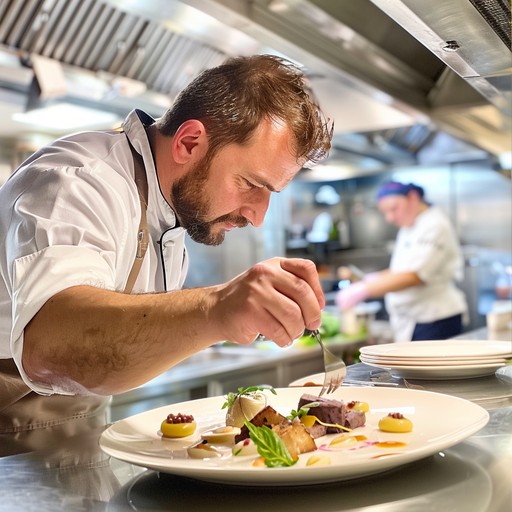
Chef Amara Sethi grew up watching her grandmother bloom saffron in warm water — “waking the gold,” she called it. Saffron Table is that small ritual, grown into a restaurant.
Waking the gold
Saffron is the most precious spice on earth — roughly 150 flowers for a single gram — and the easiest to waste. Used carelessly it tastes of nothing; bloomed patiently, it turns water the colour of sunset and gives a dish its quiet, golden backbone.
That patience became the restaurant's rule: few ingredients, treated slowly, seasoned with intent. A short menu. Produce bought that morning. Sauces started before the doors open and finished to order.
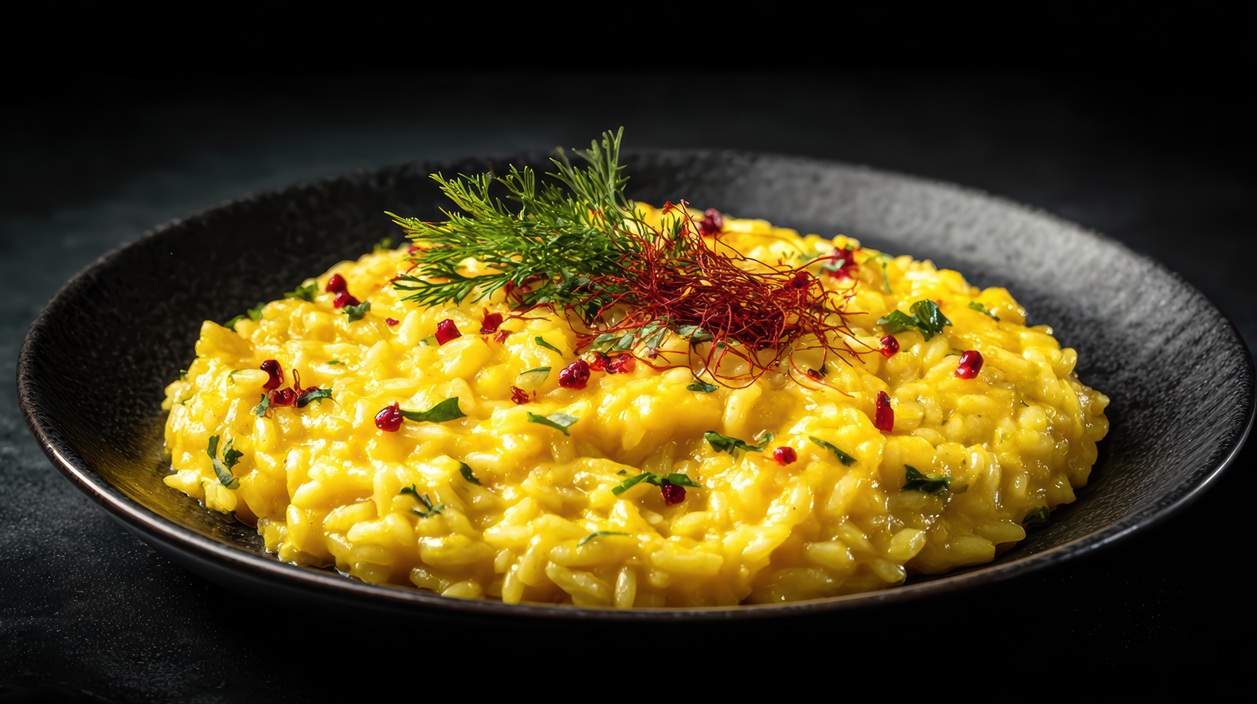
Ten years on, the pinch of saffron still goes into the water first — before the stock, before the risotto, before anything.
Ten years at the table
A forty-seat bet
Amara leaves a big-name kitchen and signs the lease on a former tailor's shop on Ember Lane. Saffron Table opens with six tables' worth of savings and a menu of nine dishes.
The risotto everyone talks about
A national critic calls the saffron risotto “the colour of late-evening sun, and worth every mile of the journey.” Weekend bookings double overnight — and stay doubled.
The chef's counter arrives
The pass is rebuilt in marble and six stools are added. The nine-course counter menu — one sitting, cooked in front of you — becomes the hardest seat in the house to get.
The Amber Room
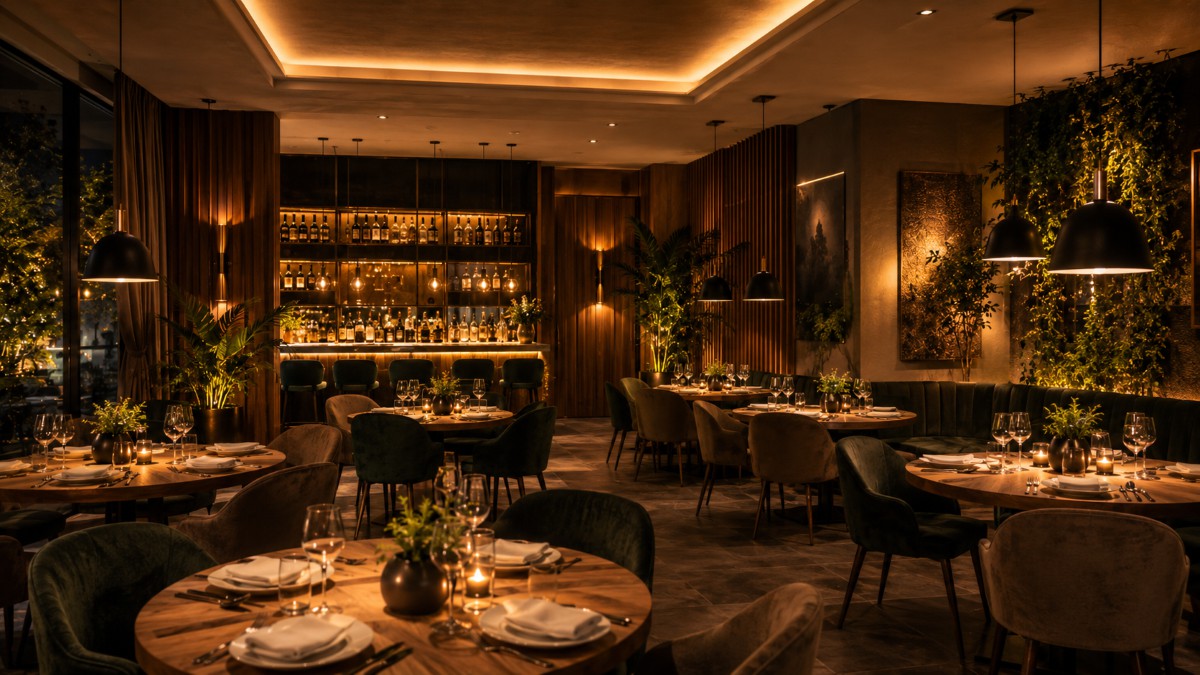
The upstairs floor becomes a candle-lit private dining room for 8–14 guests, with its own kitchen pass and a saffron-thread chandelier made by a local glass artist.
Still small, on purpose
Offers to expand come in every year. The answer stays the same: forty seats, two sittings, food cooked by people who chose this room. Some things shouldn't scale.
Three rules, no shortcuts
1. The market decides. The menu is written after the morning deliveries, not before. If the fish isn't right, the fish isn't on.
2. Saffron is a backbone, not a garnish. Blooms, stocks and syrups carry it through the menu — you taste warmth, not perfume.
3. Generous first, clever second. Fine dining that still feels like dinner. Nobody leaves Saffron Table hungry, or puzzled.
Amara Sethi
“My grandmother measured saffron the way other people measure luck — a pinch, never more, and always given time to wake up. Everything I cook is still just that: patience, made edible.”
Trained in London and Lyon, Amara spent a decade in Michelin-starred kitchens before opening Saffron Table. She still works the pass every service — if you're at the counter, she's the one finishing your plate.